The Whale Tail?
The “Whale Tail”: Why I’ve Been Recommending This Simple Neck Stretcher for Years
If you've been a patient of mine for any length of time, there's a pretty good chance you've heard me say:
“You need to get yourself a whale tail.”
And there's probably an equally good chance you looked at me like I had lost my mind.
No, I'm not sending you to SeaWorld.
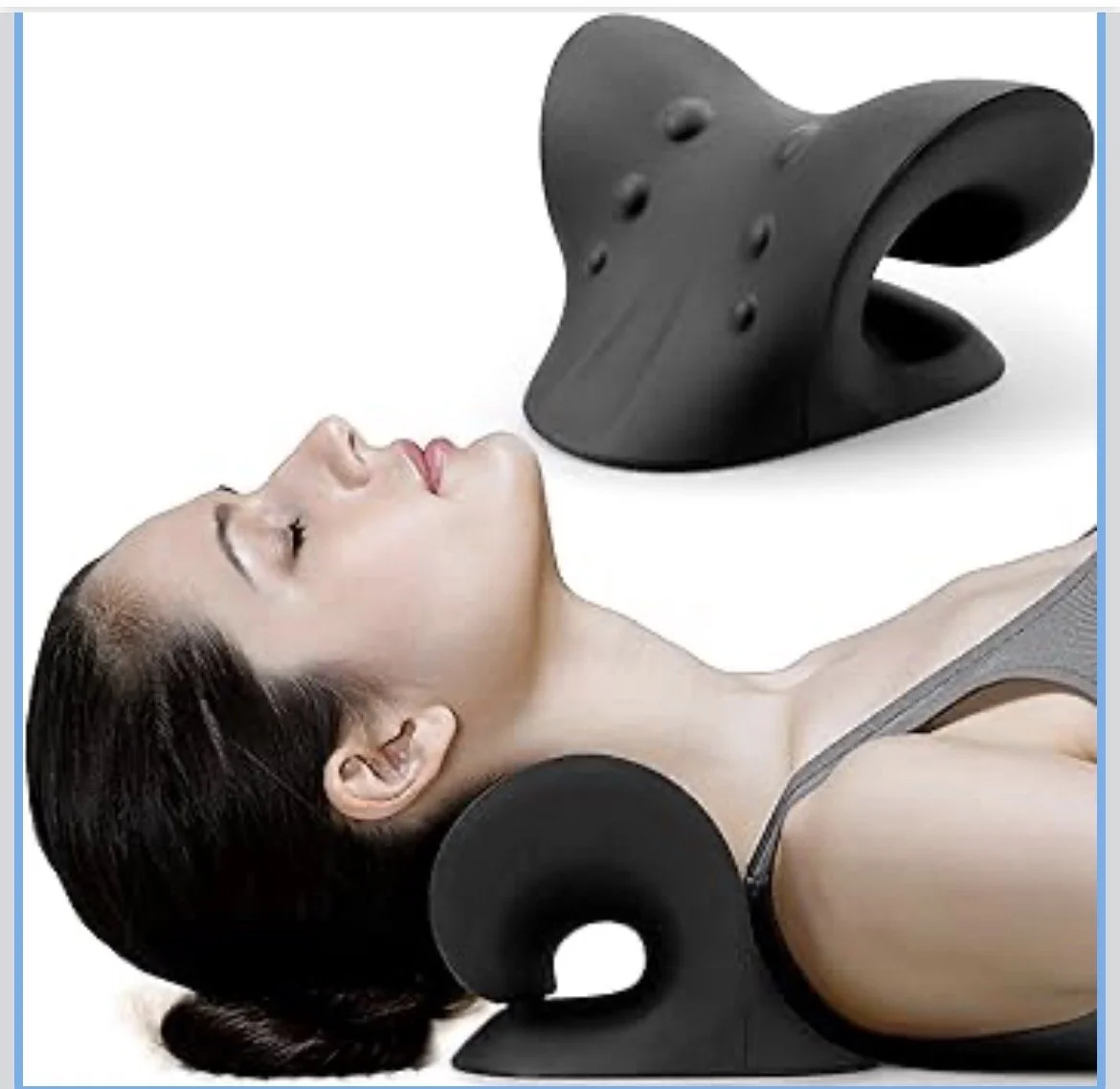
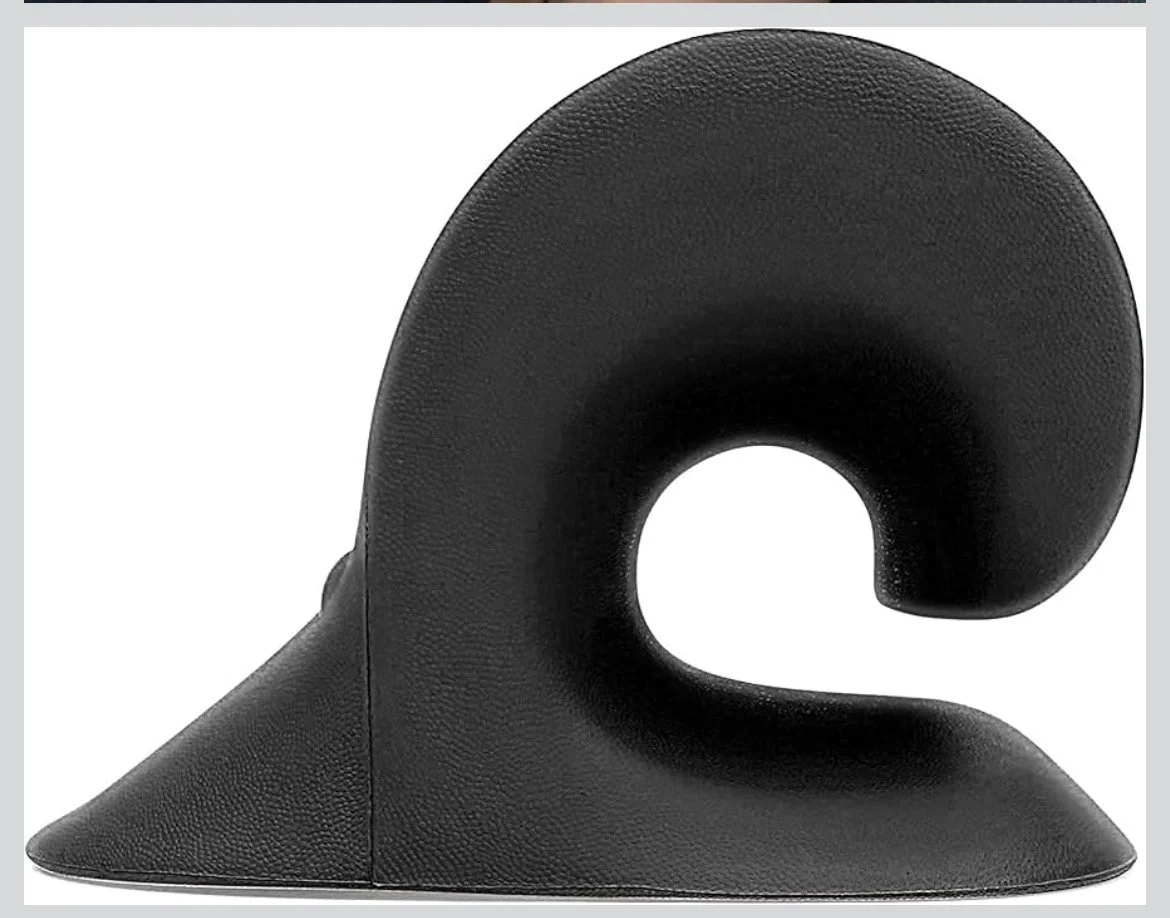
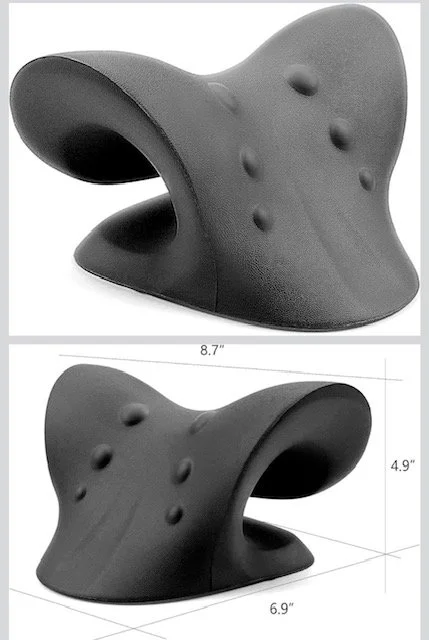
What my patients affectionately know as “the whale tail” is actually the Restcloud Neck and Shoulder Relaxer—a simple little cervical stretching device that I've been recommending to patients for last couple of years.
It's inexpensive. It's simple. There's no motor, no batteries, no Bluetooth, and thankfully no monthly subscription.
You literally lie on it.
And that's part of why I like it.
So, What Does the Whale Tail Actually Do?
Take a look at how most of us spend our day.
We're looking down at phones. We're leaning toward computer screens. We're driving. We're sitting. We're texting. And by the end of the day, instead of your head sitting nicely over your shoulders, it's hanging somewhere out in front of you.
Hello, forward-head posture.
Research has examined the relationship between forward-head posture and neck pain, and while posture certainly isn't the only cause of neck pain, studies have found meaningful associations between forward-head posture, neck pain and disability in adults.
The Restcloud basically takes you in the opposite direction.
When positioned under the neck, its curved surface supports the cervical spine while allowing the head and neck to relax into a more extended position.
In simple terms:
You've spent all day looking down. Now we're going to spend a few minutes going the other way.
Why I Started Recommending It
One of the things I'm constantly working on in the office isn't just getting joints moving—it's trying to improve the biomechanics surrounding them.
I can adjust your neck.
I can work on the tight muscles.
We can stretch you.
We can work on posture.
But then you leave my office and spend another eight hours looking at a computer and another two hours looking down at your phone.
I can't follow you around all day and slap the phone out of your hand.
Apparently that's frowned upon.
So I like giving patients something simple they can use at home to reinforce what we're trying to accomplish in the office.
And the whale tail fits that role nicely.
There's Actually Some Interesting Research Behind the Idea
Now, an important distinction: the research I'm talking about is on cervical extension traction—not specifically on the Restcloud device.
A 2021 systematic review looked at controlled clinical trials using cervical extension traction in patients with reduced cervical lordosis and various cervical spine disorders.
Nine controlled trials met the researchers' criteria. Across those studies, extension-traction protocols were associated with measurable increases in cervical lordosis, and several studies reported improvements in pain, disability and other functional measures.
That's interesting to me because the basic concept is similar to what we're trying to accomplish with the whale tail:
Support the cervical spine and gently encourage it away from the chronically flexed position so many of us live in.
That does NOT mean lying on a $20 piece of foam for ten minutes is equivalent to a clinical cervical traction program.
It isn't.
But it does help explain why I like the concept as a simple home-care tool.
How I Recommend Using It
This is another area where more isn't necessarily better.
You're not trying to crank your neck backward or see how much stretching you can tolerate.
You're trying to relax.
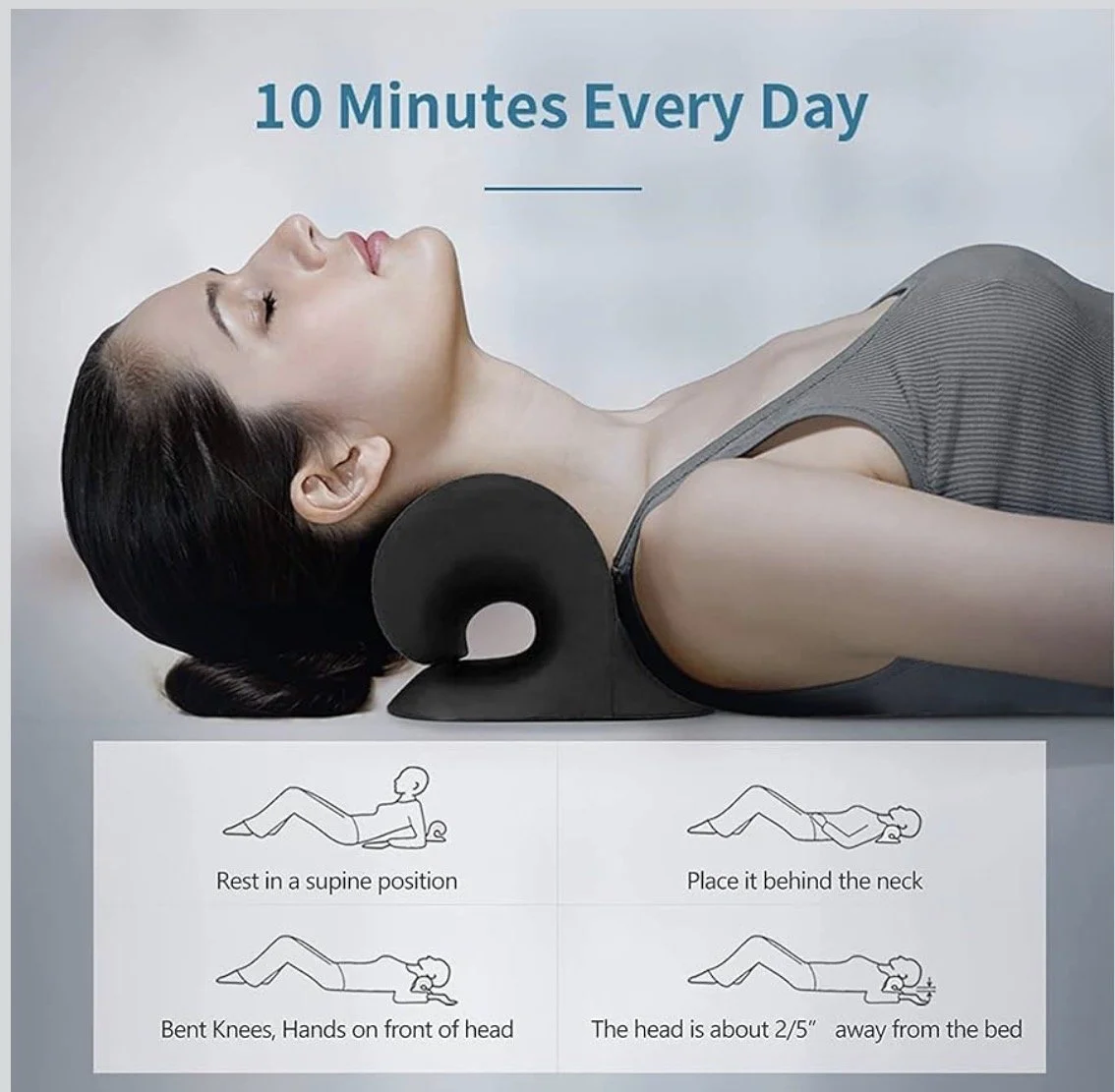
Restcloud's own instructions recommend beginning with the gentler side for about 5 minutes, seeing how you respond, and gradually working toward another five minutes if comfortable. They also recommend stopping if the device produces pain.
That's pretty close to my philosophy:
Start easy. Let gravity do the work.
Put it underneath your neck, lie back, breathe and allow the muscles around your neck and shoulders to relax.
You don't win a prize for surviving 30 minutes on the whale tail.
What I Like About It
After recommending these for several years, my reason for continuing to recommend them really hasn't changed.
They're simple.
They're inexpensive.
They're easy to use.
And they're something patients can realistically incorporate into their routine.
For someone who spends all day at a computer or looking down at a phone, I particularly like using it at the end of the day as a way of getting out of that flexed, forward-head position you've been stuck in for hours.
Think of it less as “I'm treating my neck problem” and more as:
“I'm giving my neck a few minutes in the opposite direction.”
Is the Whale Tail for Everybody?
No.
And that's important.
If you have significant cervical disc disease, spinal stenosis, instability, osteoporosis, recent trauma or surgery, unexplained dizziness, severe headaches, numbness, tingling, weakness or pain traveling into the arm, don't simply buy one online and start experimenting with your neck.
Get evaluated first.
And if using one causes pain, dizziness, numbness, tingling or other neurological symptoms, stop.
It's a home stretching tool—not a substitute for figuring out why you're hurting.
The Bottom Line
I've recommended the Restcloud “whale tail” for years because it's one of those rare home-care tools that's inexpensive, easy to use and actually makes biomechanical sense to me.
Is it going to magically fix your neck?
Nope.
Will it undo eight hours at a computer, three hours on your phone, bad posture, tight muscles and years of neglect overnight?
Also nope.
But combined with chiropractic care, appropriate stretching and strengthening, better ergonomics and occasionally remembering that your phone does NOT have to live six inches below your chin...
I think it's a pretty useful little tool.
And that's why, after all these years, I'm still telling patients:
“Go get yourself a whale tail.”
— Shannon Wise, D.C.
Core Wellness Centers, Inc.
** Apparently “because Dr. Wise said so” isn’t considered peer-reviewed evidence. So, here’s the PubMed research.
- "Restoring cervical lordosis by cervical extension traction methods in the treatment of cervical spine disorders: a systematic review of controlled trials" - Pubmed